
Is Ceramic Coating Worth It for DC-Area Commuters? What It Does and Doesn’t Do
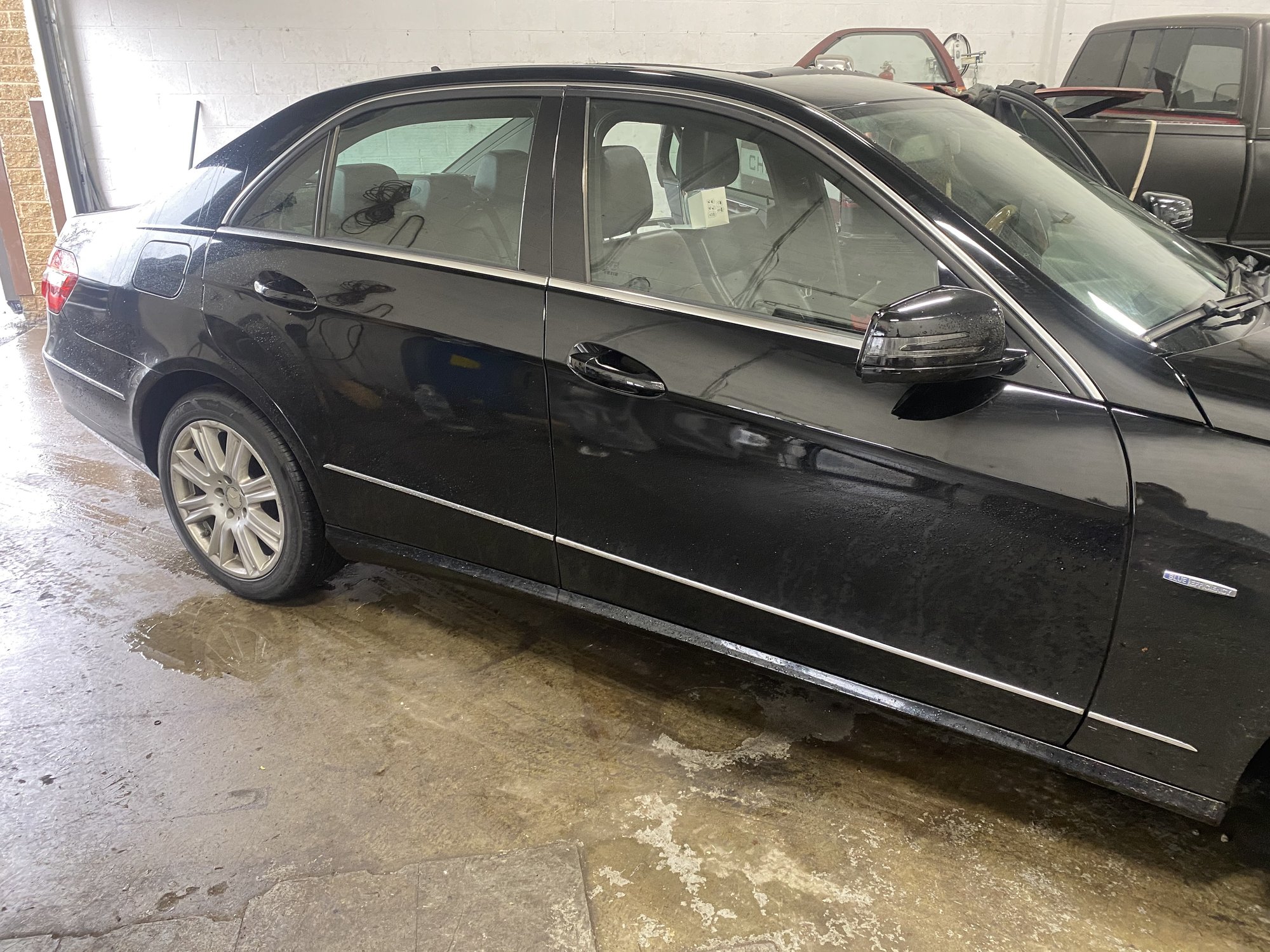
A commuter car is not a display piece. It sits in traffic, collects grime and gets parked wherever the day takes you. That is exactly why the coating decision should begin with daily use rather than a glossy advertisement. The question is not whether a coating can make a clean car look impressive. The question is whether its preparation, maintenance needs and benefits fit the way you own this particular vehicle. A thoughtful decision includes the finish you have now, how you wash, where you park and what you expect the treatment to do. Here is a practical way to weigh it.
Start with your actual expectations
Write down the two or three things you want to improve. Easier washing, deeper gloss and maintaining the appearance of prepared paint are realistic topics for a coating conversation. Never having to wash, preventing every scratch or surviving stone impacts without damage are not. Separating those expectations makes a quote more useful. It also helps you avoid choosing a treatment because of a dramatic water-beading video alone. Water behavior is one visible characteristic, not a complete measurement of how protected a car is. Ask how the surface should be maintained and what ordinary road use will still leave behind.
Look at the paint before the product
Stand beside the car in daylight after it has been properly cleaned. Do you see swirls, haze, water marks or old scratches? A protective layer does not erase those defects. The preparation work may be the part that changes the appearance most. Paint correction can refine suitable clear-coat defects, while deep scratches or missing paint may require repair. If you like the finish already, the conversation may focus on cleaning and preparation. If you do not, ask what improvement is sensible before protection. The result should reflect an informed plan for the paint, not a product name doing all the talking.
Consider where the commuter car lives
Outdoor parking exposes a vehicle to weather, dust and contaminants even while it is standing still. Garage parking changes that exposure but does not eliminate traffic film from the drive. Think about tree cover, sprinklers and the parking spaces you use most often. A coating can support easier cleaning, yet dried contamination still needs timely attention. If the car spends long stretches parked without being washed, adding protection is not a substitute for changing that habit. The more accurately you describe the car’s routine, the more useful Carnell’s advice about preparation and aftercare can be.
Be honest about your wash habits
If your normal routine involves shared brushes, dry wiping or rarely rinsing visible contamination, address those habits before expecting a lasting finish. A coating cannot prevent abrasive washing from creating marks. If you enjoy a careful hand wash, easier soil release may fit naturally into your routine. If you use a wash facility, consider how it cleans and what contacts the paint. Follow the treatment’s care guidance rather than choosing maintenance products only because they promise extra shine. Keeping the process gentle and consistent is often more valuable than adding another layer after every wash.
Compare coating and wax sensibly
Wax and ceramic coating are different approaches to protection and appearance. Wax can be a reasonable maintenance choice when you are comfortable refreshing it regularly. A coating involves a more deliberate preparation and application process, with specific aftercare. Do not compare them only by an assumed lifespan or by which one beads water most dramatically on day one. Compare the work required to start, the care needed afterward and how each fits your ownership plans. There is no need to invent a universal answer. The right choice for a regularly washed commuter can differ from one for a rarely used weekend car.
Think about the rest of the vehicle
Clean paint is only one part of a commuter’s experience. Dirty glass affects the view, carpets collect everyday grit and seats carry signs of constant use. A coating is not an interior clean or a wheel repair. Decide which concerns matter most before allocating your attention to exterior protection alone. You may want a cabin reset first, a correction discussion for the paint, or a combination planned around the vehicle’s condition. That is why a useful request describes the whole car rather than simply asking for a coating without any context about what needs improvement.
Ask questions that make the quote clearer
Ask what preparation is included, whether correction is recommended, how the vehicle should be used during curing and what the first wash should look like. Discuss where the work is best carried out. If the answer depends on the paint’s condition, allow time for an assessment instead of expecting a blanket promise from a photo. Ask how to contact Carnell if the surface later behaves differently. A good aftercare conversation gives you practical next steps, not just enthusiasm at pickup. Keep those instructions so future washes do not undo the care invested in the prepared finish.
Decide for this car, not every car
A coating can be a worthwhile choice for a daily driver when you value the prepared appearance and can maintain it appropriately. It can also be more than you need if your priorities or ownership plans are different. Tell Carnell how long you expect to keep the car, what bothers you about its finish and how it is normally washed. He operates the Forestville shop and handles the work himself. Mobile detailing available for an added premium fee. Start with a conversation about the vehicle, then decide which protection plan makes sense without relying on imagined guarantees.
Let’s Talk About Your Vehicle
Ask Carnell about Ceramic Coating or Paint Correction.