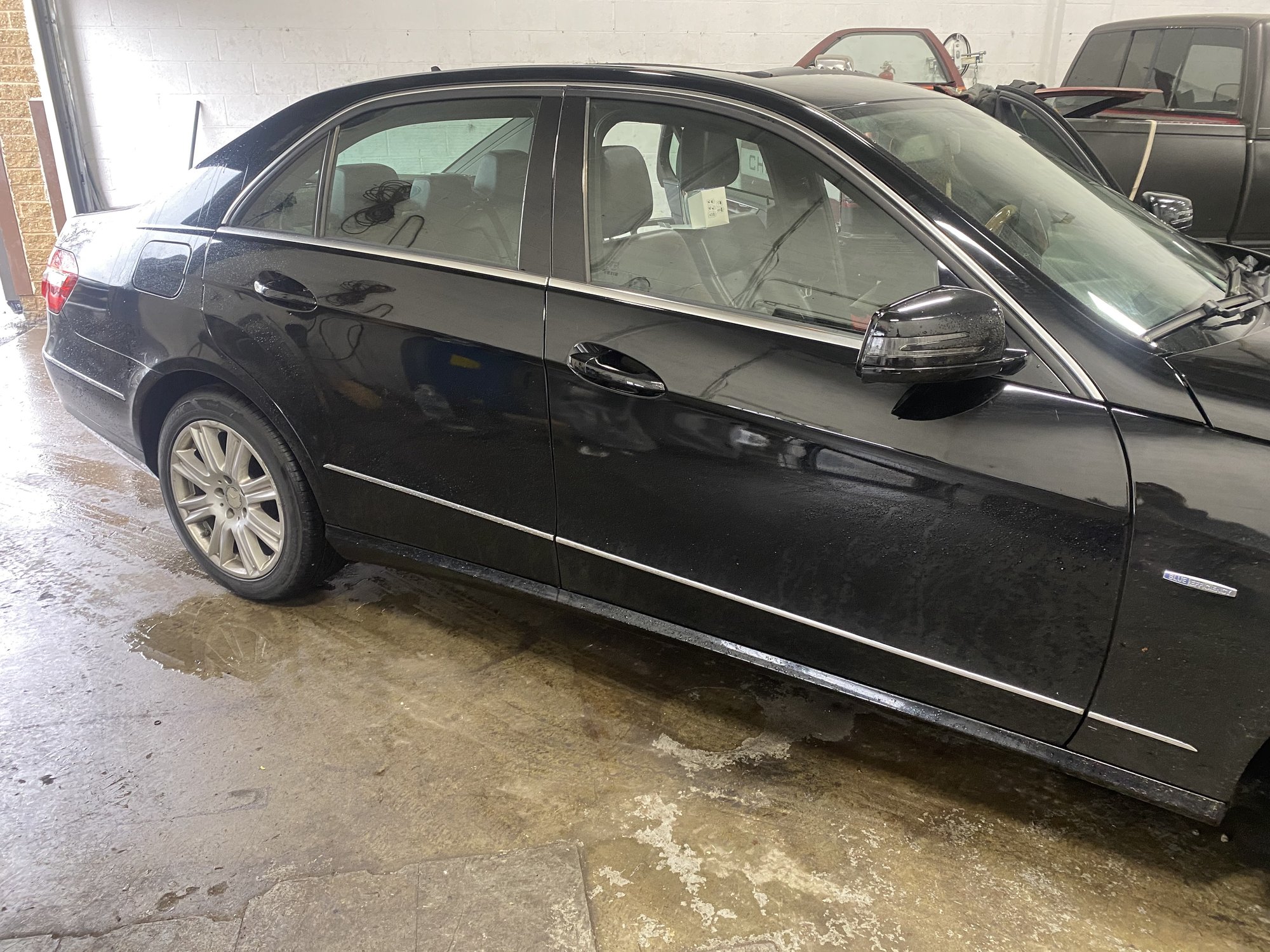
Maryland Pollen Season: How to Keep Yellow Dust From Damaging Your Car’s Finish

You wash the car, park under a tree and return to a yellow layer across the hood. Maryland spring can make a clean vehicle look dusty in hours. The frustrating part is not only the appearance: wiping that layer with whatever cloth is nearby can create a new problem. Pollen care is about gentle removal, timely cleaning after moisture turns dust into residue, and keeping outdoor contamination from following you into the cabin. You do not need to chase every grain through the day. You do need a safe plan for the next clean, especially when pollen is mixed with ordinary road grit.
Treat yellow dust as contamination
Pollen on the car is rarely perfectly isolated. It sits alongside dust, traffic film and other debris, so a dry wipe can drag more than soft-looking yellow particles across the finish. Do not judge the cleaning method only by how fine the layer looks. Inspect where it has collected: the base of the windshield, panel gaps and horizontal surfaces often show it first. Once rain or dew wets the film, it can dry into a more stubborn residue. That is a reason to clean appropriately when possible, not a reason to scrub harder with an unsuitable towel.
Rinse before any contact cleaning
Begin by rinsing loose dust away with a suitable wash method. The aim is to reduce the amount of contamination between the tool and the paint. If a light rinse does not remove everything, use an appropriate automotive wash process rather than rubbing the remaining film dry. Keep wash tools clean and avoid borrowing the brush used on dirty wheels for the body. Follow the instructions for the equipment and cleaning product you are using. A careful first rinse can make the rest of the wash safer, but it is not a license to use dirty materials afterward.
Let the car cool before washing
Warm panels and direct sun can make wash water and cleaners dry quickly. Choose a shaded place or a cooler time when that is practical, and work in manageable sections. Do not let a cleaner dry because the car is large or the task takes longer than expected. Rinse as needed and use a clean drying method afterward. Pollen season may tempt you to rush through a daily wipe, but a slower, properly timed wash is a better response to visible buildup. Consider the whole finish, not just the hood that catches your eye first.
Be cautious with marks left behind
After the film is removed, you may notice spots, staining or existing swirls that were previously hidden. Do not assume every mark is pollen damage or that aggressive polishing is the answer. Some residue needs further cleaning; some marks are in the clear coat. If you cannot identify the problem safely, stop experimenting and describe it to Carnell. Mention where the vehicle was parked and whether the marks appeared after rain or washing. The distinction between contamination and a paint defect matters because the treatments are different. A cleaner should not become an improvised repair process.
Reduce exposure where you can
If you have a choice of spaces, avoid parking directly beneath heavy tree cover during peak shedding. That may also reduce exposure to sap and bird droppings, though it will not keep airborne pollen off the vehicle completely. Do not cover a dirty car with an unsuitable cover just to hide the dust; contact with trapped grit can mark paint. A clean, appropriate cover has its own use and care requirements. For a daily driver, a practical parking choice and a consistent wash routine are usually easier to sustain than trying to keep the vehicle untouched all season.
Keep outdoor dust out of the cabin
Close the windows when heavy pollen is blowing and avoid leaving doors open longer than necessary while cleaning. Vacuum tracked-in debris and clean interior surfaces using methods suited to their materials. Check your vehicle’s cabin-filter guidance in the owner’s manual; filter inspection or replacement is maintenance, not a substitute for cleaning the seats and carpets. If the cabin smells dusty or the airflow seems changed, discuss it with an appropriate service professional rather than spraying fragrance into vents. A fresh interior comes from addressing sources, not from adding a stronger smell over them.
Use protection as part of maintenance
A well-maintained protected finish may be easier to wash, but it will still collect pollen. Protection does not make the parked car repel every particle in the air. If you are considering coating, ask about paint preparation and routine washing instructions. If the car is already coated, keep cleaning within that guidance. Do not apply random treatments just because yellow dust returned quickly; rapid reaccumulation is not by itself proof that the coating failed. Focus on safe removal and keeping the surface clean enough to assess it before deciding it needs a different product or process.
Book care around the condition you see
A premium exterior detail can help when seasonal film has built up beyond your normal routine. An interior appointment can address the dust and everyday wear inside the cabin. Tell Carnell which issue is bothering you most and whether the vehicle has existing protection. Detailing Mallard is owner-operated in Forestville, with appointments arranged directly. Mobile detailing available for an added premium fee. The goal is a usable spring maintenance plan, not a promise that the next yellow layer will never return. Keep the routine gentle, repeatable and suited to your car.
Let’s Talk About Your Vehicle
Ask Carnell about Premium Exterior Detailing or Interior Deep Cleaning & Odor Removal.