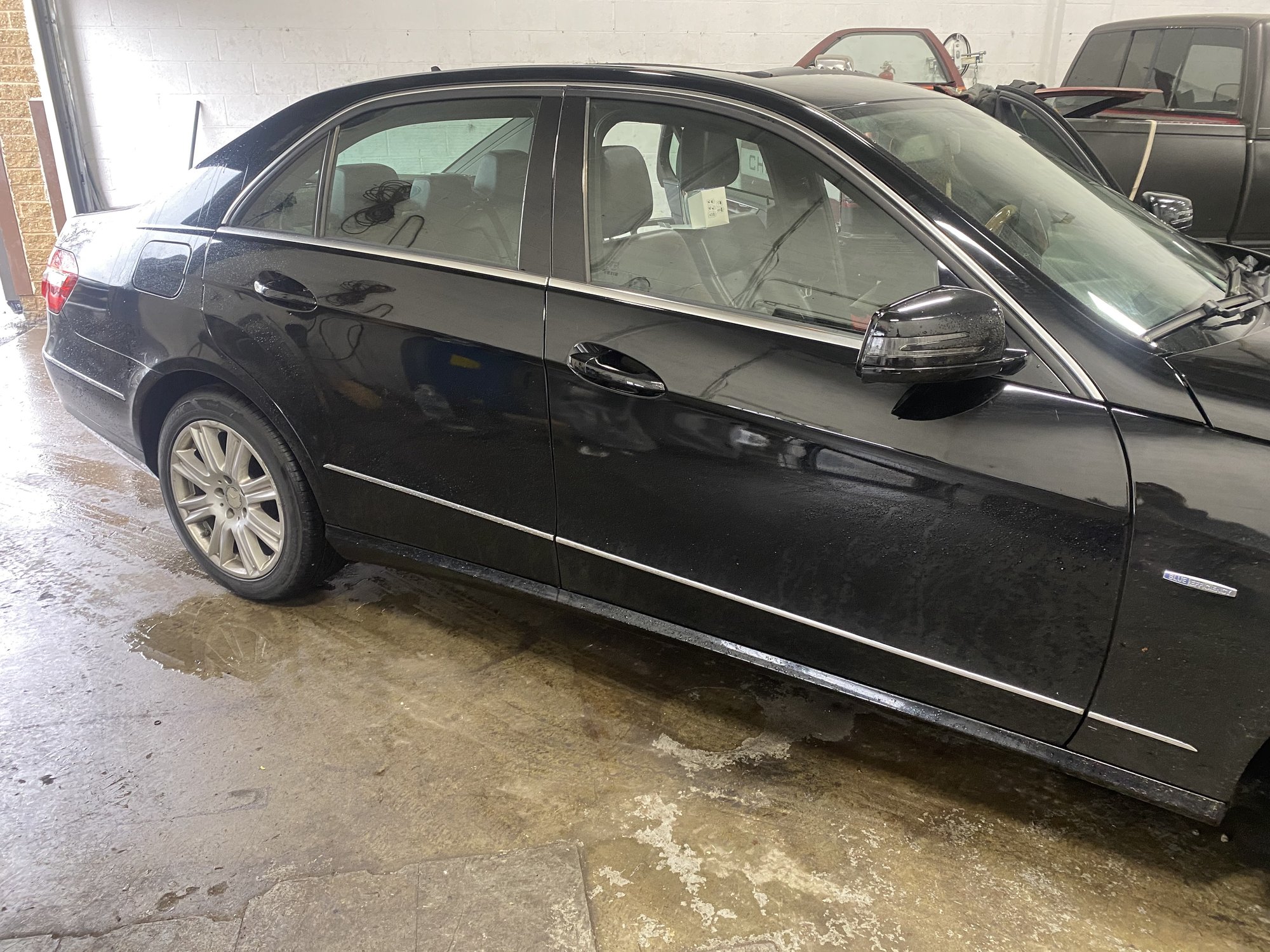
Road Salt on Your Car This Maryland Winter? How to Protect Your Paint in PG County

The gray film on your doors after a winter commute is easy to ignore. It is less easy to ignore when it has sat through several rounds of wet roads and freezing nights. In Prince George’s County, winter car care is not about keeping a perfect shine every day. It is about removing contamination without adding scratches, reaching the places that trap residue, and choosing a routine you can actually maintain. Start with what happened on the road, not a rigid wash date. A short trip through treated slush may matter more than a long drive on a dry afternoon.
Understand what the residue does
Road salt dissolves in water and travels with spray into seams, lower panels and the underside of a vehicle. Salt exposure can encourage corrosion where metal is vulnerable, especially at damaged areas. A white crust on the paint is also a sign that contaminated water has dried there. That does not mean one snowy drive has ruined the car. It means the residue deserves attention. Look along the rocker panels, behind the wheels and around the lower edges of doors. Resist the temptation to rub a finger across the dirty paint: grit caught in that film can mark the finish.
Choose a safe window to wash
Wash when conditions allow water to drain and surfaces to dry safely. Freezing weather can turn a well-intended rinse into ice around handles, locks and door seals. If you cannot wash immediately after a salted drive, plan for the next suitable opportunity rather than wiping the car dry. Before using a self-service bay, look at the ground and the tools. An icy floor is a reason to wait, and a shared brush full of grit is a reason to keep it away from paint. A controlled appointment may be more practical than struggling through a rushed outdoor wash.
Rinse first, especially down low
A generous initial rinse helps move loose contamination away before contact washing. Work around the lower doors, wheel arches and rear of the car, where spray collects. Keep the nozzle at a sensible distance and follow the equipment instructions. Do not direct high pressure into damaged paint, electrical openings or seals. More pressure is not automatically a better clean. Rinse methodically, then inspect before moving on. A car that looks clean on its hood may still have a heavy salt film below the door line. That is where winter cleaning often needs the most deliberate attention.
Do not forget the underside
Undercarriage rinsing is useful after exposure to salted roads because the visible paint is only part of the story. Use a wash facility with appropriate access or equipment; do not climb under an unsupported vehicle or improvise a dangerous setup at home. A rinse will not reverse existing corrosion, and it is not a mechanical inspection. If you see flaking metal, damaged coatings or unusual rust, discuss it with a qualified repair professional. Detailing care and repair work have different purposes. The practical goal is to remove accumulated contamination without making unsafe assumptions about the vehicle’s condition.
Wash without adding winter swirls
After rinsing, use clean tools suited to automotive paint and keep dirty wheel tools separate from bodywork. Lower panels may need extra care because they hold the heaviest grit. Avoid scrubbing stubborn crust with a dry towel. Let the cleaning process loosen residue and rinse again when necessary. Dry with a clean material or suitable air method rather than driving away with water trapped everywhere. Pay attention to door edges and seals. If the finish already shows haze or swirls, adding force will not make it clearer; that becomes a separate discussion about paint correction once the car is clean.
Protection helps, but it is not armor
A coating can make a treated surface easier to clean and help maintain gloss. It does not prevent every scratch, stop rock chips or cancel out the need to rinse salt away. The condition of the paint before protection matters too. Adding a protective layer over contamination is not the same as a carefully prepared finish. Ask what preparation is needed and how to maintain the chosen treatment. If you already have a coating, follow its washing guidance instead of trying increasingly aggressive products when water behavior changes. A contaminated coating can need cleaning, not necessarily replacement.
Make the routine fit your commute
Use the week’s conditions to decide what needs attention. A vehicle parked indoors and driven on dry roads has different exposure from one that spends every day on wet treated routes. Keep a simple record of major salt exposure and the last thorough rinse if that helps you stay consistent. Check carpets too: boots bring winter residue into the cabin. Shake out removable mats and clean them appropriately, allowing them to dry before refitting. Small repeatable habits are more useful than an ambitious routine that only happens once. They also make it easier to spot a new stain or paint defect.
When to ask Carnell for help
If winter film has become difficult to remove, tell Carnell where the vehicle is parked, how it is used and whether it already has protection. A premium exterior detail can address the finish more thoroughly than a quick rinse. Ceramic coating is a separate protection conversation, particularly when preparation or correction is needed first. The shop is in Forestville, and appointments are arranged directly with Carnell. Mobile detailing available for an added premium fee. Describe the vehicle and the main concerns in your request so the appointment starts with useful information rather than guesswork.
Let’s Talk About Your Vehicle
Ask Carnell about Premium Exterior Detailing or Ceramic Coating.